

Butternut Squash Spaghetti with Olive Oil

When fall rolls around, creamy pasta dishes just make sense. They’re soothing, nostalgic, and downright irresistible. And this butternut squash spaghetti? It might be one of the most comforting bowls you’ll make all season. It’s silky, savory-sweet, and layered with herby richness—all brought to life with Texas Hill Country Olive Co.’s extra virgin olive oil.
But here’s the best part: this recipe is much easier than it looks. A roasted butternut squash recipe may sound complicated, but once you master the basics—cutting your squash into 1-inch cubes, roasting it on a baking sheet lined with parchment paper, and blending it into a creamy sauce—you can transform it into pasta magic whenever the craving hits. So grab a sharp knife, a sturdy cutting board, and let’s turn this humble squash into a dreamy, twirlable bowl of autumn bliss.
Ingredients
-
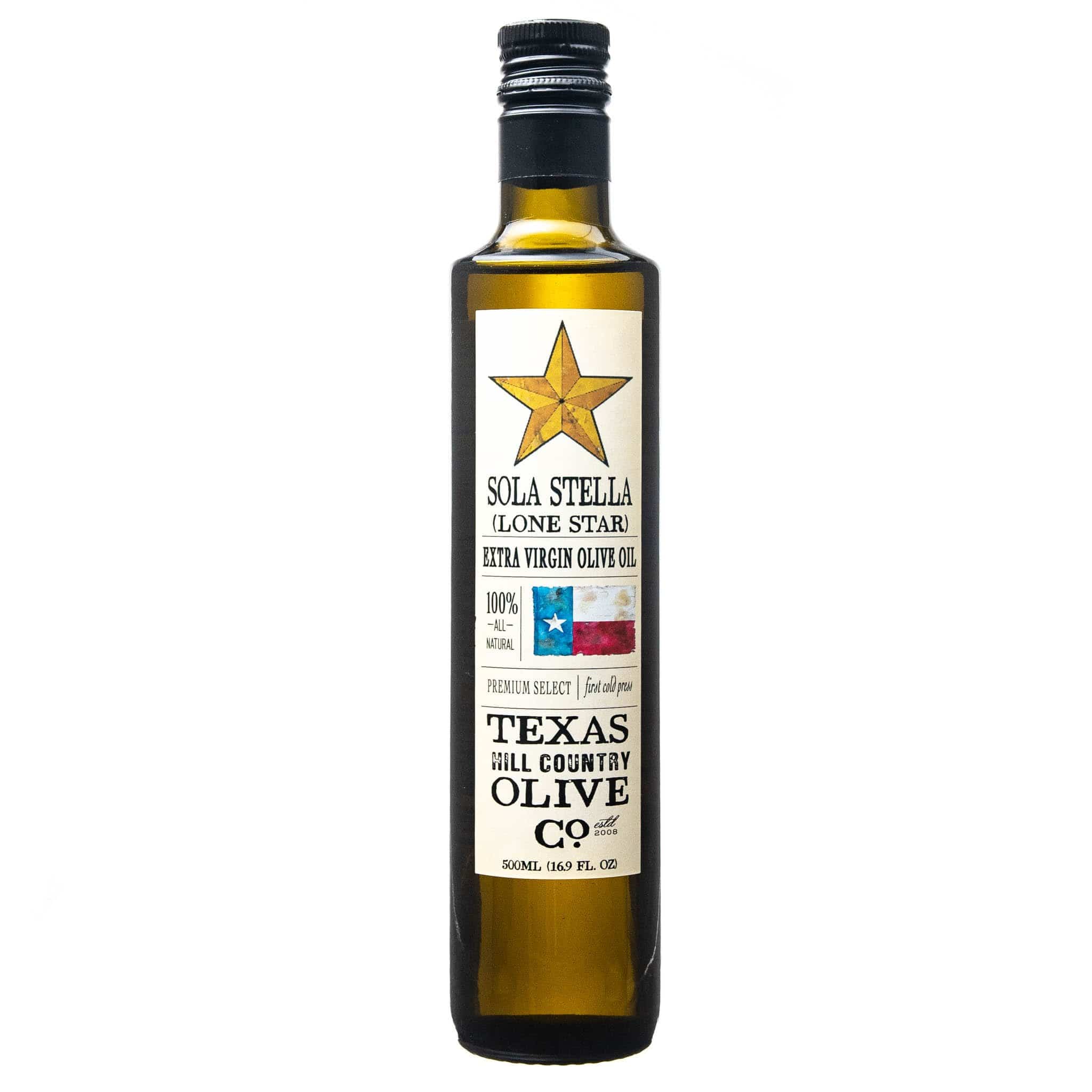
Texas Hill Country Olive Co. extra virgin olive oil
-
1 medium fresh butternut squash, peeled & cut into 1-inch cubes
-
3 cloves garlic
-
Fresh herbs like thyme, rosemary, and sage
-
Crushed red pepper flakes
-
Kosher salt and black pepper
-
Long or short pasta—your call, both soak up the sauce beautifully
-
A little Sola Stella (instead of butter-try this!)
-
Shredded gouda
-
Grated parmesan
Now let’s make something gorgeous.
The Secret to Perfect Roasted Butternut Squash
If you’ve never roasted butternut before, you’re in for a treat. The transformation is stunning—hard, pale squash pieces become deeply caramelized, naturally sweet, and soft enough to melt into a velvety sauce.
Here’s the best way to roast butternut squash:
-
Preheat your oven to 400°F.
-
Line a sheet pan with parchment paper (this saves your sanity during cleanup).
-
Spread your squash cubes in a single layer so they roast evenly.
-
Coat generously with THCOC extra virgin olive oil.
-
Add garlic cloves, fresh thyme sprigs, rosemary, crushed red pepper, salt, and black pepper.
-
Optional: Sprinkle a pinch of brown sugar if you want deeper caramelization.
Roast for 25–30 minutes, or until golden and fork-tender.
This step alone fills your kitchen with the coziest fall aroma—it’s enough to make you want to turn the roasted squash into everything from pasta to salad toppers to a quick batch of butternut squash soup.
Prepping the Sauce: Warm, Velvety, and Utterly Dreamy
Once your squash is roasted and perfect, it’s time to create the sauce.
Set a skillet on medium heat and melt a little butter with a drizzle of THCOC olive oil. The oil warms the herbs and spices; the butter gives the sauce just a touch of richness.
Add the roasted squash, discarding the stems from your herbs, and mash gently. Pour in a splash of vegetable broth and stir until a thick, silky sauce forms.
If you’re feeling fancy, toss in some fresh chopped sage. Sage and squash were meant to be together—like peanut butter and jelly, but autumn.
Taste and adjust your seasonings. More salt? More spice? Maybe a drizzle more olive oil for shine? This is your moment.
Choosing Your Pasta
You can use whatever pasta you love most—spaghetti, rigatoni, fettuccine, or even little shapes that hold sauce in their curves.
Right before draining, scoop a cup of pasta water to help thin the sauce to the perfect consistency. Toss the pasta directly into your skillet of squash sauce and watch it come alive. The sauce clings to every noodle like it was made for it.
Finish it with another swirl of THCOC extra virgin olive oil (always) and a shower of shredded gouda and parmesan. The cheeses melt into the squash and create the creamiest, coziest texture.
Crispy Prosciutto (Optional but Life-Changing)
If you want something salty and crisp to balance the sweetness of the squash, pan-fry some prosciutto until it shatters on contact. Fold it into your pasta or sprinkle it on top like confetti.
Even if you skip the meat, this pasta has enough richness to stand alone or shine as a simple side dish or easy side dish alongside roasted vegetables or even a perfectly cooked pork tenderloin.
Tips, Tricks & Pairings
1. Where to buy squash?
A farmers market will give you vibrant seasonal squash with unbeatable flavor.
2. How to safely cut a butternut squash?
Use a sharp knife, grip firmly, and work on a steady flat surface. Stabilize the bottom of the squash before cutting—this makes the whole process easier (and safer!).
3. Want even creamier sauce?
Blend your sauce until smooth.
4. Making this for Christmas?
This pasta makes an incredible alternative to traditional dishes during Christmas dinner—and it holds beautifully on a buffet.
5. Storing leftovers
If you end up with extra roasted squash, store it separately and blend into soups later. This technique works beautifully as the base of a butternut squash soup you can enjoy all week.
Why Texas Hill Country Olive Co. Olive Oil Makes the Difference
Our EVOO isn’t just a cooking fat—it’s a flavor enhancer. When you roast squash with our oils, something magical happens:
-
The natural sweetness of the squash deepens.
-
The herbs become fragrant and earthy.
-
The sauce becomes rich and glossy.
-
Every element—from garlic to gouda—tastes more balanced.
That’s the beauty of a high-quality olive oil—it adds layers without overshadowing your ingredients.
Final Thoughts: A Bowl of Pure Fall Happiness
This butternut squash spaghetti is everything cozy food should be—warm, silky, deeply flavorful, and incredibly satisfying. It’s the kind of dish you want to make on repeat, the kind that fills your kitchen with love, and the kind you can’t help but rave about to friends.
And the best part? It all starts with a pan of roasted squash and a bottle of Texas Hill Country Olive Co. extra virgin olive oil.




Leave a comment